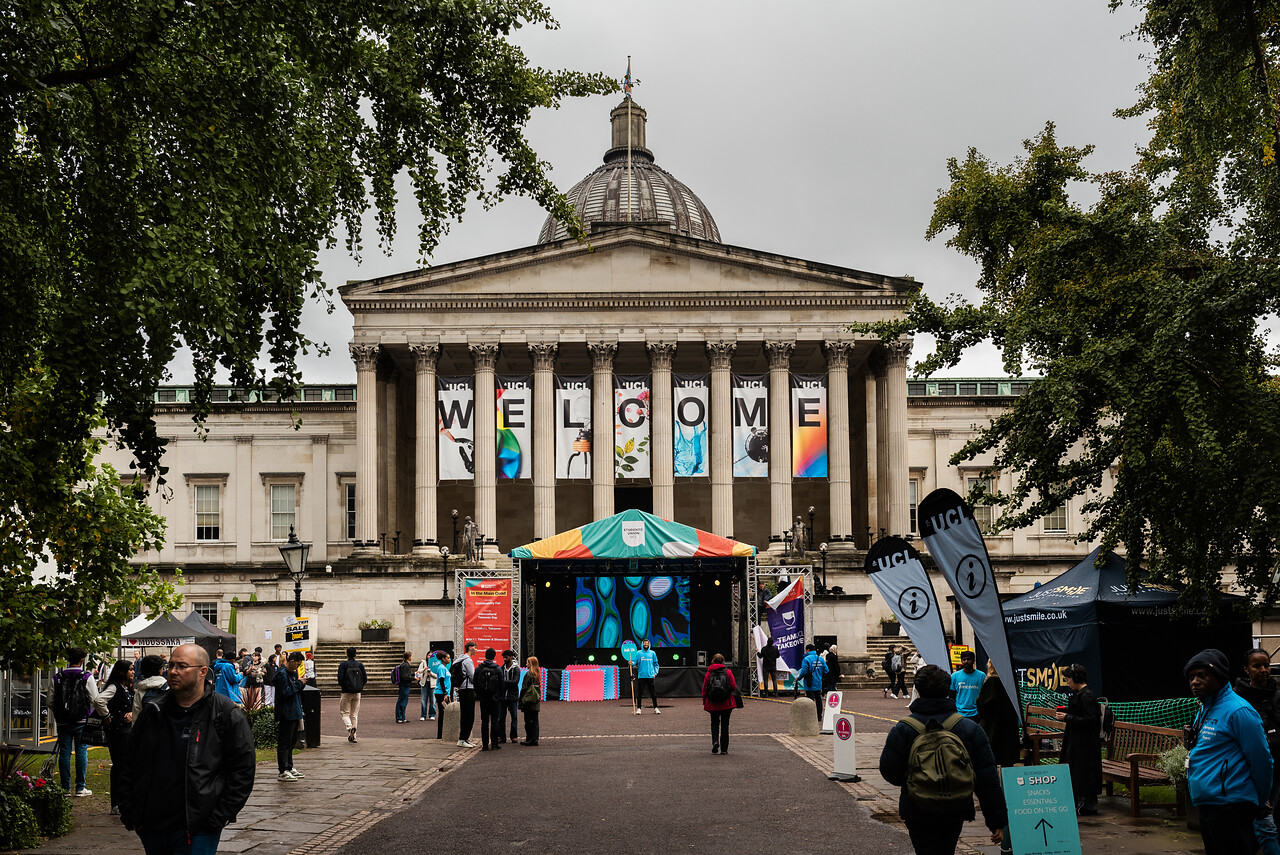


The Cancer Research UK & UCL Cancer Trials Centre (CTC) was established in 1997. The CTC works with clinical and non-clinical investigators, and patient representatives, from across the UK and internationally to develop and conduct high quality cancer research. Our aim is to improve patient care and clinical practice. The CTC also plays an important role in training and education - for investigators, people working in clinical trials, and other healthcare professionals.
The CTC is a major department within the UCL Cancer Institute and a UK Clinical Research Collaboration (UKCRC) registered Clinical Trials Unit.



What we do
Improving survival and outcomes
The CTC designs and delivers leading research studies that aim to improve survival or other outcomes in people with cancer. We also develop kinder and safer treatments, and find ways of monitoring people with cancer to spot signs of progression sooner.
Studies for adults and children
We conduct studies of cancers that affect adults and children.
Better understanding
Our studies allow scientists to better understand cancer and why some patients do not respond to treatments.
Translational research
Our study goals can be achieved by biologically rich translational research, where we measure known biomarkers or find new biomarkers in cancer tissue, blood or urine samples and combine this information with clinical data.
Our studies cover a wide range of cancer types, with the following goals:
- Improve survival
- Prevent cancer from coming back after it has gone completely
- Slow down cancers from growing
- Find treatments that are safer, more tolerable, improve quality of life, or easier to take, without impacting efficacy
- Prevent or reduce symptoms caused by cancer therapies
- Find ways of monitoring people with cancer to predict recurrence or mortality with the view to intervene early
- Understand cancer better, to develop new therapies
Our research evaluates established and modern cancer therapies:
- Chemotherapies
- Immunotherapies and targeted drugs
- Advanced cell and gene therapies, including CAR T cell therapies
- Radiotherapies, including advanced approaches that have high precision such as proton beam therapy and intensity modulated radiotherapy (IMRT)
- Surgical techniques
Many of our studies involve collecting cancer tissue, blood or urine samples, and imaging scans. This information is combined with clinical data about the person and how their cancer was treated, to examine known biomarkers or find new ones:
- Biomarker discovery
- Biomarker clinical validation
- Biomarkers for identifying patients for trials evaluating targeted treatments
The CTC uses established study designs or creates new bespoke trial designs:
- Phase I studies, including dose-finding trials
- Single arm and randomised phase II studies
- Large practice-changing phase III trials
- Biomarker directed therapies within multi-arm study designs
- Complex protocols containing multiple arms, interventions and objectives
- Cancer screening studies
- Observational longitudinal biobank studies
Collaborate with us
The CTC is committed to the sharing of clinical trial data with the wider research community to maximise its value for research and patient and public benefit. It is therefore CTC policy that data generated as part of UCL-sponsored studies managed by the CTC will be considered for sharing, provided requests are scientifically sound and from appropriate non-commercial researchers.